Nucleic Acid Origami
Table of contents
DNA Origami: Engineering at the Nanoscale
Nucleic acid origami, particularly DNA origami, is a method of folding DNA strands into precise two and three-dimensional nanostructures. This remarkable technique bridges biology, chemistry, and engineering.
The Basics
What is DNA Origami?
Developed by Paul Rothemund in 2006, DNA origami uses the base-pairing properties of DNA to create programmable nanostructures.
There is a large single stranded DNA that acts as a scaffold that usually comes from the genome of bacteriophages or other viruses (that is so metal btw like whaaaaaaaatt???? using the fallen bodies of organisms to make others? thats like making frankenstein! but actually DNA origami isnt living. its more like making a sword with someones bones!). Then you put smaller staple strands that are complimentary to the scaffold that bind and then fold the scaffold into shapes.
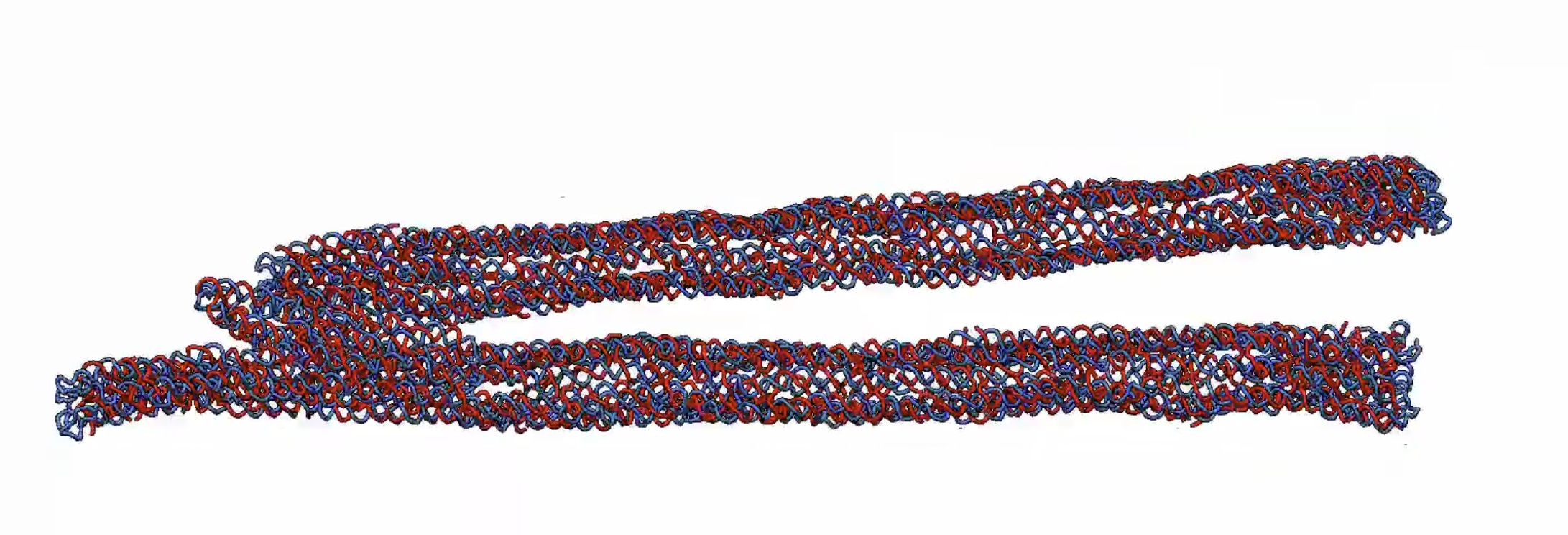
What am I doing? Absolutely Nothing?
This time, I have something to say for it!
I actually am a DNA Origami Researcher. Since this summer, I started doing formal research on it and have other research projects with people.
Right now, I am actually teaming up with Dr. Wolfgang Pfeifer at UChicago (Go Maroons!) and Dr. Sebastian Sensale at Indiana University, where I am working with TEM analysis for DNA origami.
I am excited to share what comes next! Bye!!!!!!!!!!!
DNA origami represents programmable matter—the ability to design and build structures atom by atom, molecule by molecule. It’s a bridge between information (sequence) and physical form (structure).